
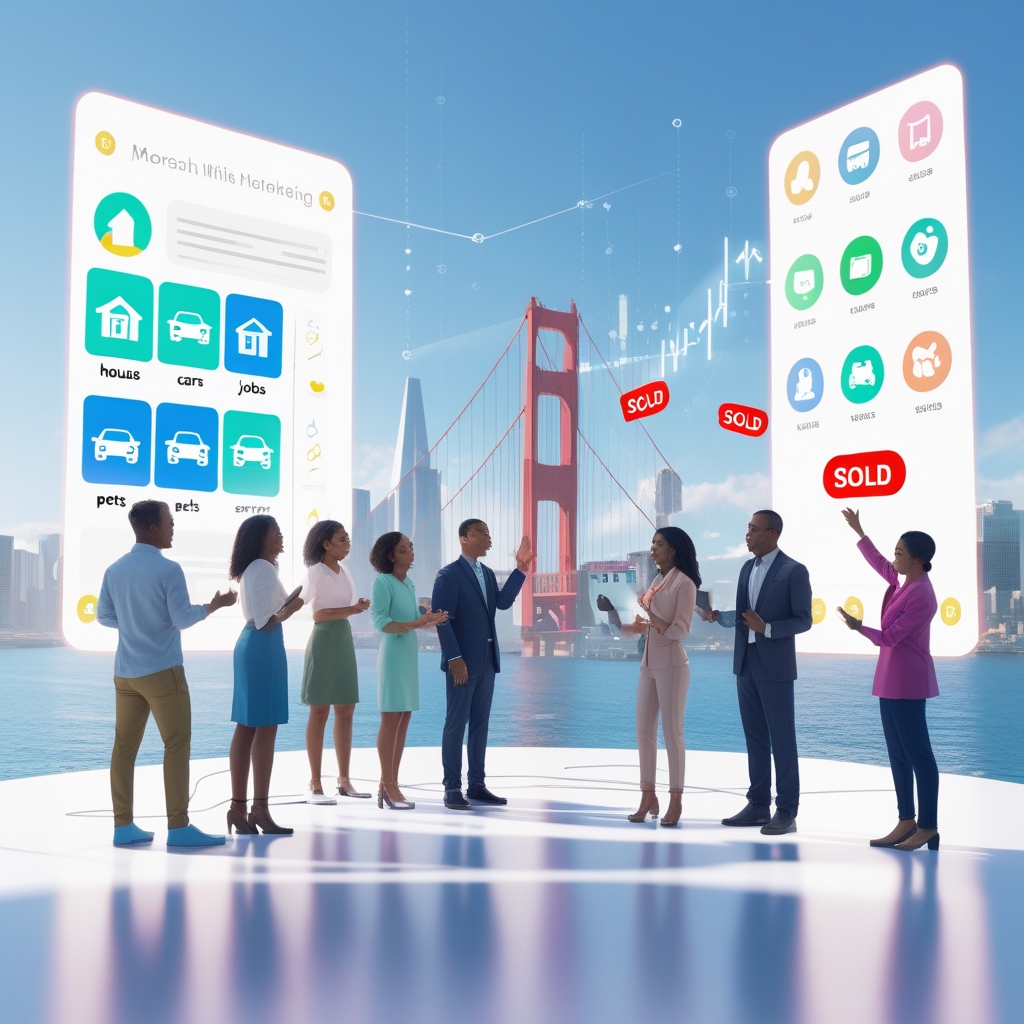
In the fast-paced business world, many content themselves with setting ambitious goals for selling their digital products: “I want to achieve 1000 sales,” “I aim to increase revenue by 50%.” But truly successful individuals understand that the secret to sustainability and financial success isn’t the “goal” alone; it’s the system—the meticulous framework that guarantees your progress day after day. This philosophy, emphasized by Napoleon Hill and other success pioneers, is what changes the rules in today’s digital products market.
Why Goals Fail and Systems Succeed in Digital Product Marketing
A goal is the outcome you aspire to (like increasing sales), while a system is the daily and weekly processes that automatically lead you to that result. The difference is fundamental: a goal gives you direction, but a system provides you with a roadmap.
In the world of digital products—which includes e-books, online courses, ready-made templates, and software—most emerging projects suffer from the problem of “temporary momentum.” The product owner exerts tremendous effort during the launch phase, then their enthusiasm wanes due to the lack of a continuous operational mechanism. The system solves this dilemma by transforming energy from “focused, temporary effort” into “automatic, sustained progress,” creating growth that is repeatable and scalable.
Pillars of a Successful System for a Digital Product
1. The System for Understanding the Ideal Customer and Their Journey
Any successful system begins with a precise understanding of who you are speaking to. Here, knowing the “general audience” is not enough; you must accurately define the Ideal Customer Profile (ICP): Who are they? What are their problems? Where do they spend their time? Based on this, design the automated customer journey—a series of stages the customer goes through from discovering their problem to purchasing and then to loyalty. At each stage, they receive the appropriate content and message that pushes them to the next step.
2. The Integrated Growth Engines System
Instead of relying on a single marketing channel, an effective system is built on several growth engines working in harmony:
- The Content and Trust Engine: Through a blog or YouTube channel offering free value, building authority and trust, and contributing to SEO.
- The Email Engine: To convert visitors into subscribers, then nurturing them with tailored content that leads to purchase.
- The Social Media and Influencers Engine: To reach new audiences and build relationships through interactive content and collaborations with relevant influencers.
- The Referral Engine: Which turns your satisfied customers into brand ambassadors, significantly lowering acquisition costs.
3. The Automation and Technical Integration System
This is the operational “brain” of the system. Automation tools allow for managing the customer journey and delivering personalized content to them in a semi-automatic manner, saving your time and providing the customer with a seamless experience. The key is integration between these tools (like email marketing platforms and CRM services) to create a unified data flow. For example, an automated tool can automatically send a free trial lesson to everyone who subscribes to your email list, then follow up with them after three days with a personalized message.
4. The Measurement and Continuous Improvement System
A system is not rigid; it is a living entity that evolves. It must be based on a rapid learning cycle: Hypothesis ← Test ← Measure ← Learn ← Develop. Use analytics tools to track metrics such as:
- Conversion Rate: The percentage of visitors who make a purchase.
- Customer Acquisition Cost (CAC) versus Customer Lifetime Value (LTV): The lifetime value should be significantly higher than the cost.
- Bounce Rate: To understand weaknesses on your site.
How to Start Building Your System Today
- Diagnosis: Start from where you are. Analyze your current channels: Where do most qualified customers come from? At which stage of their journey do opportunities leak?
- Design: Choose one growth engine to start with, such as beginning with a content engine (blog) linked to a subscription form for an automated email sequence.
- Experiment and Optimize: Start small, test, measure results, then scale what works. Your first automated email sequence may be simple, but its effectiveness can be significant.
Conclusion: From Dream to Working Machine
Transitioning from “setting goals” to “building systems” is a shift in mindset. A goal makes you focus on the distant mountain, while a system is the steady daily steps that cover the distance. In the competitive digital products market, having a great product is not enough; more important is possessing a perpetually moving marketing and distribution system that continuously delivers it to people. Start with a small system, maintain its consistency, and watch how your financial and personal ambitions transform into tangible, sustainable results.
Note: The digital products field is characterized by low distribution costs and relatively easy updates, making it an ideal environment for applying the systems philosophy, where impact can be measured and adjusted quickly.
Leave a Reply